


Immune-mediated diseases, such as allergies, asthma and autoimmune diseases, have increased with urbanisation. Researchers suggest that the reason for this is the excessive cleanliness of our environment, as a result of which we have lost touch with nature and its microbes. Adjunct Professor Olli Laitinen studies the health effects of microbial exposure at Tampere University. He also serves as Chief Science Officer at Uute Scientific Ltd. The company produces an extract containing inactivated microbes, which can be used as a raw material in cosmetics, for example.
Microbial exposure can be easily increased by spending time in nature and coming into contact with soil. Handling natural materials with a wide range of microbes changes the microbiota of the body. Laitinen’s projects explore solutions suitable for urban areas to influence the prevalence of immune disorders by modifying the green environment and consumer products.
Laitinen believes that microbial exposure starts at birth.
“When we are born, our bodies are not immunologically complete. At the moment of birth, we encounter practically millions of different life forms. That’s when our immune system starts to learn what is dangerous and what is harmless.”
Laitinen stresses that the root cause of today’s immune-mediated diseases is the fact that we have lost touch with nature and live in an environment that is too clean.
“Humans have lived in natural conditions for hundreds of thousands of years. Mothers have given birth squatting on animal hides, and babies have been wrapped in plant materials. From our first moments, we have been in contact with the soil and nature. We adapted to this exposure.”
“At birth, our bodies get a full blast of microbes and our immune system gets to work. At that point, it is important for the immune system to be able to distinguish between what is dangerous and what is harmless. What is harmless is, of course, our own bodies. However, the immune system also needs to recognise that not all external exposure is dangerous either. Therefore, it is not wise to develop allergies to animal dander, for example. The immune system must learn which microbes are genuinely dangerous and pathogenic.”
Childbirth in a hospital is quite sterile compared to nature.
“If you’re in an environment where the immune system doesn’t get a lot of learning material, the system starts act so that anything external is potentially dangerous. This leads to allergies and asthma, atopic dermatitis, or worse: a situation where the immune system cannot distinguish between the body’s own cells and pathogens, so it starts destroying the former, leading to various autoimmune diseases.”
Promising results have now emerged on how a biodiverse environment can prevent the development of autoimmune diseases, such as type 1 diabetes. Laitinen refers to a part of Noora Nurminen’s doctoral thesis at Tampere University, where she studied the amount of green environment and its impact on the development of type 1 diabetes.
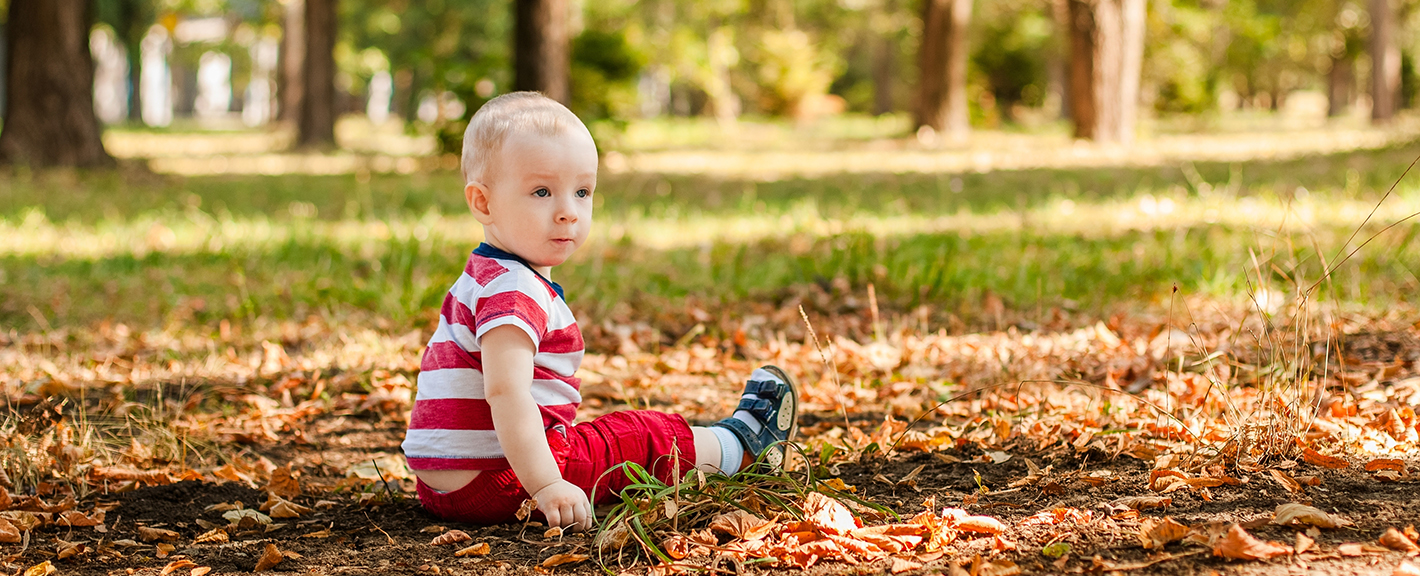
“Type 1 diabetes occurs when inflammatory cells in the immune system are activated in the pancreas and destroy insulin-producing cells. Nurminen examined a cohort of more than 10,000 children to learn how the growing environment during the first year of life influenced the development of diabetes. The results showed that an agrarian environment was healthy for children. Children living in rural areas did not develop diabetes or the autoimmune process leading to it as often as children living in urban areas, or their disease process started much later than that of children living in urban areas.”
The diversity of the microbiota in the human body has declined considerably, especially in the Western world. According to one estimate, urbanised people have 60% of their original microbiota remaining on the skin, and only 50% in the gut. In some areas of the United States, the microbial loss is even higher. As it happens, citizens of the U.S. have more inflammatory diseases than citizens of other countries.
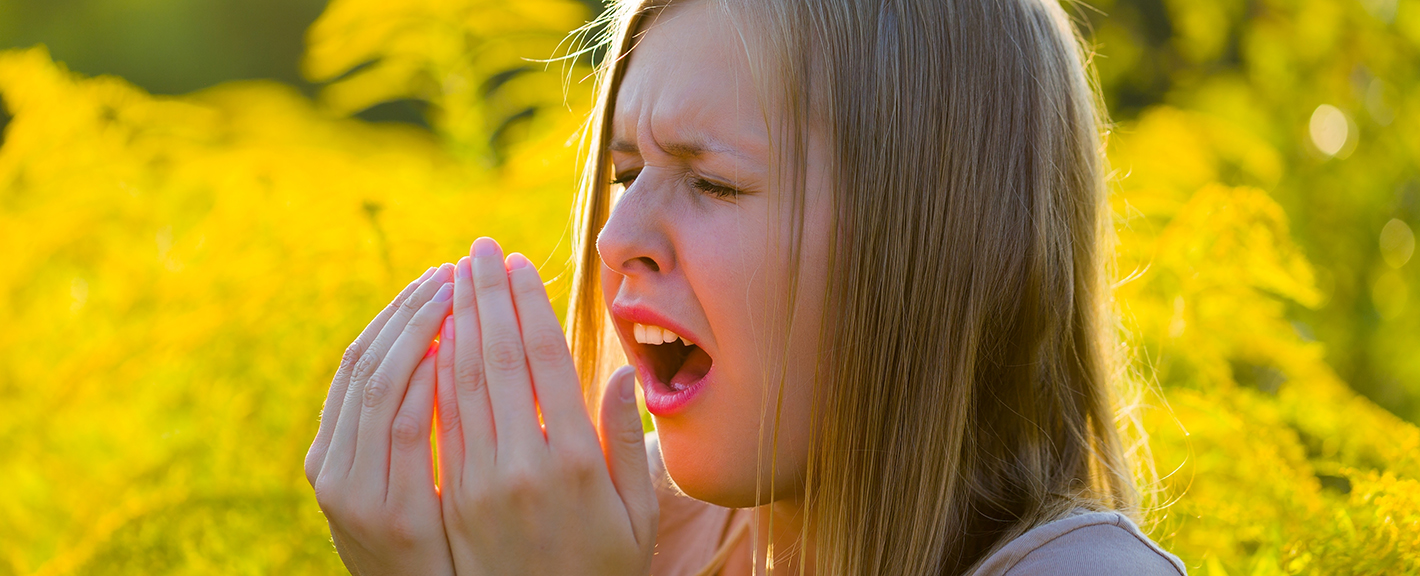
Olli Laitinen believes that the immune system of newborns should start receiving training in the form of exposure to nature when leaving the maternity ward at the latest. Without exposure to nature and its microbes, our bodies’ immune defences cannot function properly. The overreacting immune system may lead to diseases. For example, in the case of allergy, the body misinterprets pollen as a virus.
“We base our research on the function of the immune system and the disruption caused by lack of exposure to nature. The natural role of immunoglobulin E has been to fight parasitic infections, but now that there are far fewer of them, IgE is a free agent looking for new tasks. Such as reacting to pollen.”
Immunoglobulins, or antibodies, are proteins produced by the cells of the body’s defence system. The role of antibodies is to help the defence system destroy invaders, such as bacteria and viruses. IgE-type antibodies have been deprived of their natural activity due to excessive hygiene and sterility, and are therefore inactive. Now, the IgE response is incorrectly activated e.g. against the proteins in pollen, causing allergic hypersensitivity reactions.
Immunoglobulin E is found in allergies and allergic diseases. In allergies, the body produces it to fight off things like pollen or certain foods. The antibody attaches to cells in the skin and mucous membranes and releases histamine. This is what makes us sneeze, our breathing to become obstructed and our eyes swell shut. In developing countries, where parasitic infections are more common, IgE often occurs at high levels without any allergic symptoms.
The “false enemies” of immunoglobulins are a great example of biodiversity loss, which also applies to the microbiota.
“Now that we’re being sold a lot of antibacterial substances, we are actually cleaning away all the bacteria. This is not desirable. It would be better to have a well-established microbiota around us, because that helps us avoid sudden, major changes.”
Changes in the microbiota can cause antibiotic resistance, which is a big problem. Antibiotic-resistant bacteria carry resistance genes and often become dominant in microbial populations.
“Pathogens are usually fast-growing microbes. The abundance of pathogens increases the exchange of genes between them, strengthening their resistance to antibiotics,” says Laitinen, who has also studied antibiotic resistance.
“Hopefully, in the future we will have a safe amount of diverse microbes in our environment so that antibiotic-resistant bacteria cannot thrive.”
Atopic dermatitis is a common, partly hereditary disease affecting about 20–30% of the population in Finland. Its symptoms include itchiness, dryness, roughness, redness and breakouts of the skin. This is due to abnormal immune system function.
“In the Nordic countries, atopic dermatitis is common. It has been observed that many immune-mediated diseases become more prevalent at the population level as we move northwards.”
The PREVALL project, led by the Universities of Tampere and Helsinki, has studied the impact of plant- and soil-based materials on children’s allergies. The project has examined whether it would be possible to prevent the development of atopic dermatitis in babies. Children with both parents diagnosed with atopic dermatitis were included in the study.
“In that case, the child has about a 40% risk of developing the same disease,” Laitinen points out.
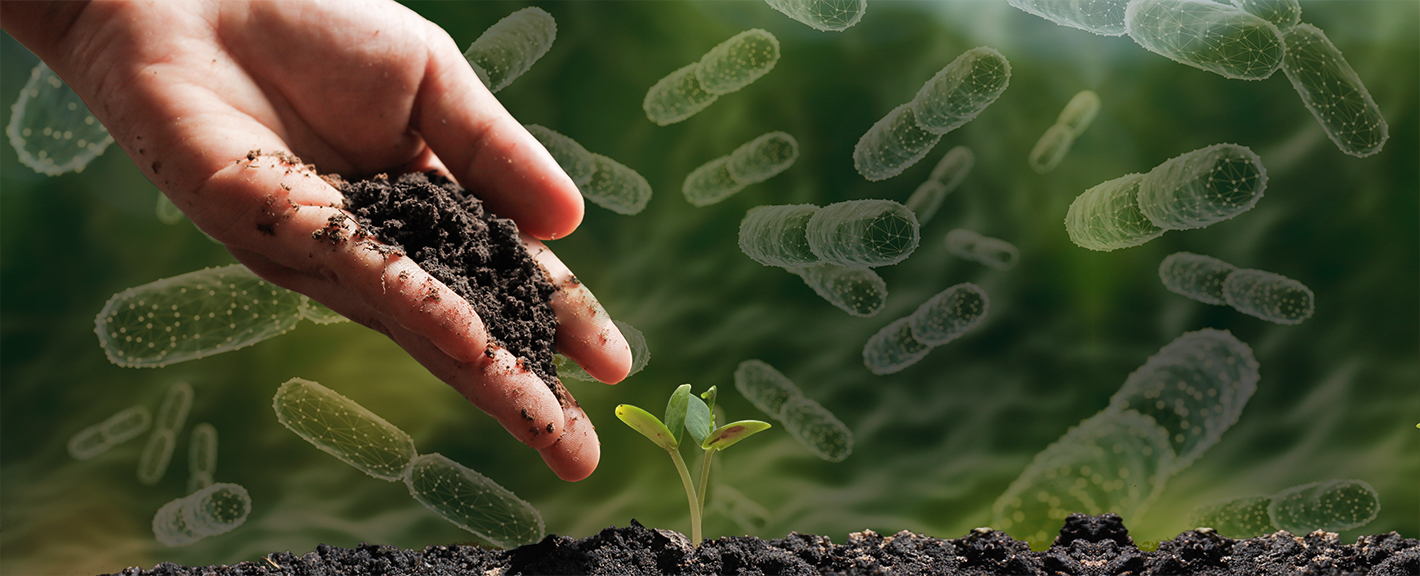
In Johanna Kalmari’s and Iida Mäkelä‘s study, a joint project between Uute Scientific and Tampere University, people suffering from atopic dermatitis were given microbial cream containing the extract developed by Uute Scientific. The microbes were not alive, but the cream contained microbial components to which the body and immune defence system can react. In other words, exposure to nature was administered through a cream. The subjects started using the cream in late summer and autumn, as atopic skin gets worse in winter due to dry air and lower temperatures. The lower amount of natural light also has an impact. The subjects used the cream at least three times a week. The researchers took various samples from the subjects, examining the water permeability and redness of the skin, which are indicators of inflammation.
“The biggest difference was seen in the use of medication. The group that used the microbial extract containing cream needed significantly less medication during the trial period of 7 months. The microbial extract containing cream was able to prevent skin deterioration. The cream is a so-called “nature exposure remedy”. It’s a supportive form of treatment that allows patients to use less medication.”
The newest frontier is no more and no less than space itself.
“Astronauts suffer from various skin problems. Not surprisingly, the International Space Station has a very poor microbial environment. Our extract could be taken into space. Discussions have been held with the European Space Agency (ESA) on the use of the cream.”
Olli Laitinen’s research group at Tampere University and Uute Scientific have used the computing and sensitive data services of the CSC, the ELIXIR Node of Finland in their research. Over the course of more than 10 years, the group has been involved in sampling more than 500 individuals, including infants, kindergarten-age children and adults. Some of the data is stored in CSC’s data security environment.
Uute Scientific’s microbial extract is made by combining various plant composts. It contains inactive microbes, which means they are harmless. However, the immune system recognises microbes, microbial particles and also destroyed pathogens. The material was originally developed at the Universities of Helsinki and Tampere. Its biodiversity makes it a unique raw material for cosmetics and other consumer products worldwide. It contains at least 600 different species of microbes.
Ari Turunen
23.6.2025
Read article in PDF
More information:
University of Tampere
https://www.tuni.fi/en
Uute Scientific
https://www.uutescientific.com/fi/
CSC – IT Center for Science
is a non-profit, state-owned company administered by the Ministry of Education and Culture. CSC maintains and develops the state-owned, centra- lised IT infrastructure.
https://research.csc.fi/cloud-computing
ELIXIR
builds infrastructure in support of the biological sector. It brings together the leading organisations of 21 Euro- pean countries and the EMBL European Molecular Biology Laboratory to form a common infrastructure for biological information. CSC – IT Center for Science is the Finnish centre within this infrastructure.

Post-doctoral Researcher Guilhem Sommeria-Klein at the Academy of Finland is developing mathematical models of microbial communities. He aims to build a unified statistical framework for describing the assembly of microbial communities. These models can then be applied to various environments, such as the ocean microbiome or the human gut microbiome. The goal is to better understand the role of microbiota in the functioning of ecosystems or human health. The research, carried out at the University of Turku, will result in open-source computing methods available for other researchers to use in their work.
High-throughput DNA sequencing has had a major impact on studying micro organisms. The method enables using the DNA sequence data sampled from any environment to assess the composition of the microbial community, whether it be in the soil, the ocean or the human gut.
“First we check what information can be found about the DNA sequences of the samples in the sequence databases. If a similar sequence cannot be found in the sequence databases, it will be difficult to know what the organism is. For example, the oceans have many organisms we do not know about. So in the end we are dependent on the sequence databases.”
However, Sommeria-Klein points out that not all species of plankton can possibly be included in the databases.
“We will never be able to describe and sequence all species of plankton. The huge diversity simply makes it impossible.”
However, this problem can be bypassed. Microbial communities can be classified into operational taxonomic units (OTU) using computational methods. The classification is based on DNA sequence similarity, and it is widely used in microbial research. The similarity is usually determined based on the sequence of a certain gene, chosen for its widespread occurrence and stability across the targeted microbial organisms.
“The similarity of the data derived from different ecosystems through the analysis of DNA sequences is striking. Organisms living in the human gut or in the ocean, especially bacteria, do not necessarily differ that much from each other.”
Sequenced genes of a microbiota contained in an environmental sample are analysed in bulk using the same method that is used to analyse the sequenced genes of one species. This approach, called metagenomics, is a common concept in the microbial research.
“We can use metagenomics to compare microbial communities sampled in different locations and study spatial patterns of variation, for instance. We can also determine the functions of certain genes in the microbial communities and how those functions change when the place and conditions are different.”

Unlike on land, microbes make up most of the biomass in the ocean. Phytoplankton are a key part of theoceanic microbial communities, since these organisms can combine water and carbon dioxide using energy from sunlight to form the organic molecules that constitute all living organisms, as plants do on land (photosynthesis).
“Since there are no plants in the open ocean, phytoplankton form the base of the whole ocean food chain,” says Sommeria-Klein.
The process also releases oxygen: phytoplankton are responsible for half of the oxygen in the atmosphere, and have a major impact on the oxygen content of sea water, thus enabling animals to live in the ocean.
“Although phytoplankton need light, they are actually often most abundant at a depth of around a hundred meters, where colder water that transport nutrients from the ocean depths meet the sunlight. The ocean is a three-dimensional environment: we miss a lot by only studying its surface. The biomass in the depths of the ocean, up to thousands of meters deep, is much larger than we thought previously. Due to darkness, there is no photosynthesis there. However, plenty of organic matter falls to the bottom, nourishing the deep ocean ecosystems.”
Guilhem Sommeria-Klein has access to enormous amounts of data on all the oceans of the world and at different depths. The research schooner Tara captured genetic material for DNA sequencing from the world’s oceans in 2009–2013. In total, 35,000 samples were collected from 210 locations around the world. The DNA analysis revealed over 40 million genes, the majority of which were new to science. About 250,000 molecular “species” of plankton were isolated from the samples based on DNA. The analysis was based on the metabarcoding approach, which is the analysis of DNA sequences in a specific gene region to identify different species or individuals.
“The ocean actually harbours a very wide range of microbes beyond phytoplankton. This view was much underappreciated until Tara expeditions. Microbial eukaryotes, in particular, are highly diversified and still poorly known. Moreover, the geographic distribution of plankton is not well known, as studying their habitat is difficult. In a recent study, we analysed the geographic distribution of different groups of eukaryotic plankton around the world and contrasted these distributions in light of the organisms’ main characteristics. ”
Sommeria-Klein’s interests lie in the functioning of these microbial communities and what they are doing in response to their environment in the oceans.
“Plankton are constantly moving with the ocean currents, which reshuffle communities and transport the organisms to different environmental conditions. I am fascinated by the way that these communities continue to interact, specialise and evolve under such challenging conditions.”

The oceans also have an important role to play as a carbon sink. Plankton communities greatly contribute to it by capturing carbon dioxide from the atmosphere through photosynthesis. This carbon is then recycled in the ocean food chain and finally sequestered in the ocean floor as dead organisms sink to the bottom.
“Global warming leads to changes in water temperature but also in ocean currents. These combined changes can have profound effects on the ecosystems, with an impact on the ocean fish stocks and the effectiveness of the ocean as a carbon sink.”

Guilhem Sommeria-Klein wants to develop more efficient methods for analysing and interpreting the data. Rather than solely specialising in mathematics or biology, his research aims to connect various disciplines.
“This represents the core area of our research team focusing on computational analysis, and the work of Sommeria-Klein supports it well”, says Leo Lahti, Associate Professor in Data Science at University of Turku, whose team develops machine learning models for screening microbial communities.
“Microbial ecology is in desperate need of this type of basic computational studies. These models will help break complex microbial ecosystems down to a few basic structures. Ocean microbiome research could also be useful in monitoring the changes in the state of the Baltic Sea. Models based on statistical reasoning can take into account any prior information and describe the uncertainty in the results. The high-performance computing services of CSC – IT Center for Science are needed to fit these models to the data.”
In the future, Sommeria-Klein wants to continue studying ecosystems that differ from each other.
“We want the perspective on microbial ecology to be consistent across ecosystems, as it is of major importance for various societal issues, such as human health, the ocean food chain and the global carbon cycle.”

Ari Turunen
29.9.2022
Read article in PDF
Citation
Ari Turunen, Guilhaume Sommeria-Klein, Leo Lahti, & Tommi Nyrönen. (2022). Gene sequencing used for study of structure and functioning of microbial communities in oceans. https://doi.org/10.5281/zenodo.8154571
More information:
University of Turku
CSC – IT Center for Science
is a non-profit, state-owned company administered by the Ministry of Education and Culture. CSC maintains and develops the state-owned, centralised IT infrastructure.
https://research.csc.fi/cloud-computing
ELIXIR
builds infrastructure in support of the biological sector. It brings together the leading organisations of 21 European countries and the EMBL European Molecular Biology Laboratory to form a common infrastructure for biological information. CSC – IT Center for Science is the Finnish centre within this infrastructure.


 ELIXIR is partly funded by the European Commission